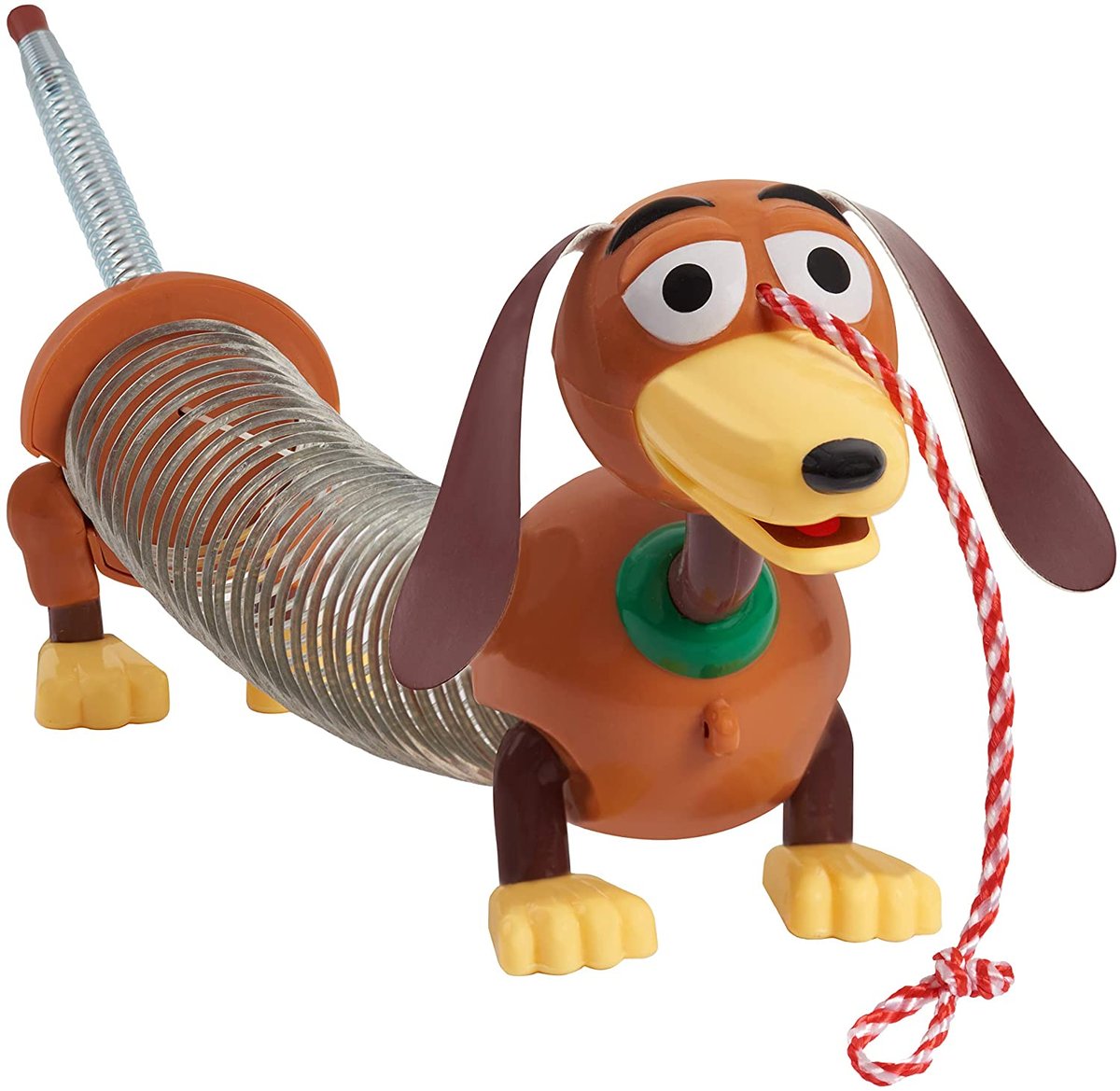
As a devoted pet parent, you understand that a wagging tail often means a happy, healthy dog. And what makes a dog happier than a favorite toy? Yet, behind the joy, there’s a serious conversation we need to have: the often-overlooked Safety and Durability Concerns with Slinky Dog Toys. While the whimsical, segmented design of a "slinky" might seem appealing, it immediately raises red flags for seasoned vets and experienced owners alike. Unsafe dog toys aren't just a nuisance; they're a significant and growing threat, causing choking, internal injuries, and illnesses that send nearly 40% more dogs to emergency vets now than a decade ago. It's a sobering statistic that underscores why choosing the right playthings is as critical as their diet or exercise.
At a Glance: Ensuring Your Dog's Toy Safety
- Size Matters: Always choose toys too large to be swallowed or stuck.
- Durability First: Opt for robust materials like tough rubber or nylon; avoid flimsy plastics or easily torn fabrics.
- Check for Toxins: Be wary of cheap dyes, chemicals, or flavorings.
- Constant Supervision: Never leave your dog alone with a new or easily destructible toy.
- Know Your Dog: Consider their breed, health risks, and unique chewing style.
- Vet's Advice: Your veterinarian is your best resource for toy recommendations, especially for dogs with specific health needs.
- Inspect and Replace: Regularly check toys for wear and tear, and discard damaged items immediately.
The Hidden Risks: Why Toy Safety Is More Than Just a Game
Dog toys are far more than mere distractions; they're vital tools for mental stimulation, physical exercise, behavioral training, and stress relief. They can curb destructive chewing, alleviate separation anxiety, and strengthen the bond between you and your furry friend. But this positive potential can quickly turn perilous if the toys themselves are unsafe. We're talking about hazards that range from minor inconveniences to life-threatening emergencies – a reality that impacts not just your dog's well-being but also your peace of mind and your wallet, given the rising costs of emergency veterinary care.
The problem often lies in a mismatch: a toy's design or material simply isn't robust enough for a dog's powerful jaws or adventurous play style. While seemingly innocuous, a poorly chosen toy can splinter, break into swallowable pieces, or harbor toxic substances. This isn't just about the occasional chipped tooth; it’s about internal blockages, choking incidents, and systemic illnesses that can manifest weeks or months later. The consequences are real, and as responsible pet owners, we have a clear duty to minimize these risks.
Deconstructing Danger: What Makes a Dog Toy Unsafe?
Before we dive into the specific concerns of a "slinky" style toy, let's understand the universal characteristics that turn a fun plaything into a hazard. Knowing these factors empowers you to evaluate any toy, ensuring you're making informed choices.
1. The Peril of Mismatched Size
This is perhaps the most straightforward, yet frequently overlooked, safety factor. A toy that's too small for your dog's mouth is an open invitation for disaster. It can be easily swallowed whole, leading to choking or a dangerous gastrointestinal obstruction. Conversely, a toy too large might not be engaging or appropriate for a smaller dog. The sweet spot is a toy that’s large enough not to be swallowed, but still manageable for your dog to carry and interact with.
2. The Fragility Trap: Materials That Break Down
Many toys, especially those marketed for their novelty or low price point, are made from cheap plastics, thin rubber, or brittle stuffing that simply aren't designed to withstand a dog's chewing power. These materials can:
- Splinter: Hard, brittle plastics can break into sharp shards that cut mouths or internal organs.
- Tear: Thin fabrics or rubber can be ripped apart, creating small, ingestible pieces.
- Disintegrate: Cheap foam or stuffing can be easily shredded and swallowed, leading to blockages.
The goal is to find toys that are tough, not brittle, and designed to withstand significant chewing without coming apart.
3. The Invisible Threat: Toxic Ingredients
This is a scarier prospect because the danger isn't immediately visible. Harmful chemicals, dyes, or flavorings can be present in cheaper, unregulated toys. These toxins can leach into your dog's system over time, leading to chronic health issues, allergic reactions, or acute poisoning. Always look for toys made from food-grade, non-toxic, and vet-approved materials. If a toy smells strongly of chemicals, it's a good rule of thumb to avoid it.
4. The Unseen Watchdog: Lack of Supervision
Even the safest, most durable toy can become a hazard without proper supervision. Dogs, especially puppies or enthusiastic chewers, can break off pieces from almost any toy if left unsupervised long enough. Regular monitoring allows you to intervene if a toy starts to show signs of wear, prevents ingestion of loose parts, and teaches your dog appropriate play behaviors.
5. Breed and Health Risks: Tailoring to Their Needs
Not all dogs are created equal. Breeds with higher health risks – those prone to genetic health problems, or dogs with pre-existing conditions like dental issues or sensitive digestive systems – are inherently more vulnerable to unsafe toys. A sturdy chew toy might be perfect for a Labrador, but disastrous for a Pug with brachycephalic airway syndrome or a senior dog with compromised dental health. Consulting your veterinarian for breed-specific advice and health assessments is always a wise step, helping you choose the safest options.
6. Play Style: Understanding Your Dog's Inner Beast
Finally, your dog's individual play style is a crucial factor. Is your dog a gentle gnawer, a power chewer, or a frantic shredder? High-energy or impulsive dogs often chew harder and more aggressively, significantly increasing the risk of toy destruction and potential injury. Matching the toy's durability to your dog's chewing intensity is paramount.
The "Slinky Dog" Conundrum: Applying Safety Concerns to a Unique Design
Now, let's bring it back to the specific conceptual design suggested by "Slinky Dog Toys." While not a standard product category, the name itself immediately brings to mind segmented, flexible, and potentially interconnected components. When we consider such a design through the lens of dog toy safety, several significant concerns emerge. If a "slinky" dog toy were to exist, it would likely present a heightened combination of the risks we've just outlined.
Imagine a toy with multiple small, interconnected pieces. Each segment, by its very nature, creates a potential breaking point. This increases the likelihood of:
- Choking Hazards: Individual segments could break off, becoming perfectly sized for ingestion and subsequent choking or internal obstruction. Think of the individual coils of a spring – if those were made of chewable material, they'd be incredibly dangerous.
- Entanglement: The flexible, winding nature could lead to parts getting wrapped around a dog's snout, neck, or paws, causing distress, injury, or even strangulation.
- Durability Failures: To achieve the "slinky" effect, the material connecting the segments would likely need to be thinner or more flexible, making it inherently less durable than a solid toy. A power chewer would likely dismantle such a toy in minutes.
- Ingestion of Components: Beyond just the segments, the connectors themselves could be problematic. Small metal springs (highly toxic), elastic bands, or brittle plastic hinges would be catastrophic if swallowed.
- Hygiene Issues: The intricate design with many crevices would make thorough cleaning difficult, potentially harboring bacteria and posing health risks.
Given these inherent design challenges, a toy truly mimicking a traditional "slinky" would be incredibly difficult, if not impossible, to make safe for most dogs, especially chewers. It highlights why understanding the fundamental principles of dog toy safety is crucial: it allows you to critically evaluate any novel toy design, rather than relying on marketing claims. This critical evaluation is a cornerstone of how to choose truly safe toys for your canine companion.
Proactive Playtime: Building a Foundation of Safety
The good news is that preventing toy-related injuries is largely within your control. It requires a combination of smart choices, consistent training, and vigilant monitoring.
1. Teach Safe Play Habits
This isn't just about what toys you provide; it's about how your dog interacts with them. Teaching basic commands like "drop it" and "leave it" is foundational. These commands empower you to immediately remove a toy if it's breaking apart, if your dog is playing too rough, or if they pick up something they shouldn't.
- "Drop It": Practice this with a treat exchange. When your dog has a toy, offer a high-value treat as you say "drop it." As soon as they release the toy, give the treat. Gradually phase out the treat, using praise instead.
- "Leave It": Place a toy on the ground, cover it with your hand, and say "leave it." Reward your dog for looking away or moving away from the toy.
- Reward Gentle Play: Praise and reward your dog when they interact with toys appropriately. If they start rough chewing on an inappropriate toy, redirect them to a safer, more durable option. Basic skills can be taught in 1–2 weeks, with ongoing refinement throughout your dog's life.
2. Choose Wisely and Rotate Regularly
This is your first line of defense.
- Durability is Key: Opt for toys made from tough, non-brittle rubber or durable nylon. These materials are designed to withstand chewing and last longer.
- Size Appropriately: Always select toys that are too large for your dog to swallow. When in doubt, go larger.
- Vet-Approved: Many veterinarians recommend specific brands or types of toys known for their safety and durability. Don't hesitate to ask for their recommendations.
- Immediate Removal: As soon as a toy shows signs of damage – cracks, tears, loose pieces, or stuffing emerging – remove it from circulation immediately. Do not wait for it to completely break.
- Toy Rotation: Keep a selection of 3-5 safe toys available and rotate them weekly. This keeps your dog interested and reduces wear and tear on any single toy, extending its lifespan.
3. Partner with Your Veterinarian
Your vet isn't just for emergencies; they're a vital resource for preventative care.
- Personalized Advice: Discuss your dog's breed, age, health history (especially dental or digestive issues), and chewing style with your vet. They can provide tailored recommendations for the safest toys.
- Oral Health Check: During regular appointments, your vet can examine your dog's oral health, identifying any dental weaknesses that might make certain toys dangerous.
- Breed-Specific Concerns: For breeds with known health risks, your vet can advise on toys that won't exacerbate potential issues. Schedule appointments within 1–2 weeks for advice, especially if you have concerns about existing toys.
4. Immediate Action Plan
If you're reading this and suddenly realize some of your dog's current toys might be unsafe, here's what to do right now:
- Purge Unsafe Toys: Go through your dog's toy bin and remove anything small, fragile, easily destructible, or showing significant wear.
- Replace Thoughtfully: Invest in new, size-appropriate, and vet-approved replacements.
- Start Rotation: Begin a weekly toy rotation schedule.
- Supervise All Play: Especially with new toys, watch your dog closely to see how they interact.
- Initiate Training: Start teaching or reinforcing "drop it" and "leave it" today.
5. Ongoing Monitoring and Vigilance
Safety is an ongoing process, not a one-time decision.
- Regular Toy Checks: Daily or weekly, depending on use, inspect all toys for cracks, missing pieces, frayed edges, or other signs of wear.
- Observe Your Dog: Pay attention to your dog's chewing intensity and how they interact with different toys. Are they trying to destroy it, or just chew gently?
- Watch for Health Signals: Be alert for any signs of trouble: coughing, gagging, vomiting, changes in appetite, lethargy, bleeding gums, or sudden shifts in play behavior. These could indicate an ingested object or injury.
- Track Training Progress: Regularly practice and refine "drop it" and "leave it" commands.
6. Yearly Vet Checks: Dental and Jaw Health
Don't wait for a problem to arise. During your dog's annual wellness exam, ask your vet to specifically check their teeth and jaws. They can spot early signs of dental disease, weak teeth, or other oral issues that could increase the risk of injury from toys. These proactive checks are crucial in preventing issues before they escalate, reinforcing the importance of regular veterinary check-ups for your dog's health.
Decoding Materials: What to Look For and What to Avoid
Understanding the best and worst materials is key to smart toy selection.
Safest Materials for Dog Toys:
- Tough Rubber: Not brittle plastic, but dense, durable rubber (think KONG toys). It's resilient, long-lasting, and often bounces, adding to the fun.
- Heavy-Duty Nylon: Certain nylon toys are designed for extreme chewers. Look for solid pieces, not hollow or easily fragmented ones.
- Natural Rope (with caution): While natural rope can be durable, it's essential to supervise closely as individual strands can be pulled off and ingested, leading to blockages. Only for supervised play and not for shredders.
Materials to Avoid or Use with Extreme Caution:
- Thin Plastic: Easily broken, leading to sharp edges and ingestible pieces.
- Cheap Foam: Shreds easily, posing a choking and blockage risk.
- Latex: Can be torn and swallowed, and some dogs may have allergies.
- Brittle Rawhide: While natural, many rawhide products are treated with chemicals, and can pose a choking hazard when they become soft and gooey. Choose digestible alternatives if you opt for chews.
Common Concerns & Quick Answers:
- Standard Tennis Balls: Can be dangerous. The felt material can be abrasive to teeth, and the balls can be easily chewed apart and swallowed, especially by larger dogs. Opt for dog-specific rubber balls, sized appropriately. This is a common but often overlooked potential choking hazard in dog toys.
- Squeaky Toys: The squeaker itself is often a small, hard plastic piece that can be dislodged and swallowed, particularly by power chewers. If your dog is a known squeaker-extractor, choose squeaker-free toys or supervise play very closely.
- Eating Stuffing: If your dog regularly disembowels stuffed toys and eats the stuffing, these toys are a definite no-go. Transition to solid, stuffing-free options, or heavy-duty plush toys designed to withstand tearing. If they do swallow material, consult your vet immediately.
- Replacement Frequency: Inspect toys weekly for damage. Most actively used toys will need replacement every 1-3 months, but aggressive chewers might go through them faster. When in doubt, throw it out.
Tailoring Toys to Your Dog's Unique Personality and Play Style
There’s no one-size-fits-all toy. Matching the toy to your dog's specific needs maximizes fun and minimizes risk.
For the Gentle Gnawer or Light Play:
These dogs often enjoy interactive games, soft textures, and don't typically try to destroy toys.
- Stuffing-Free Plush (Not for Extreme Chewers):
- Dog Squeak Toys (5-pack): These plush woodland animals are completely stuffing-free, eliminating choking/mess. They often feature dual squeakers for engaging play. A good value at around $3.61 per toy.
- HGB Squeaky Dog Toys (2-pack octopus): Stuffing-free, unique shapes for grabbing, with squeakers and crinkle material. Remember, not for aggressive chewers. Value: $7.99 per toy.
For the Moderate to Aggressive Chewer (but still loves plush):
These dogs need more robust plush options that can withstand a good deal of chewing before giving out.
- Heavy-Duty Plush:
- HGB No Stuffing Dog Toys (2-pack bunny/sloth): Double-layered construction with reinforced stitching, stuffing-free, and often includes squeakers and crinkle paper. Ideal for interactive games. Value: $11.99 for two.
- goDog Bubble Plush Dragons Squeaky Dog Toy: Features Chew Guard Technology, an additional lining, and reinforced stitching to increase durability. Multiple squeakers keep it engaging. Good for moderate chewers. Value: $15.99.
- IOKHEIRA Dog Plush Toys (Honey Badger): Ultra-soft natural cotton with an added waterproof layer and crinkle paper. Engineered for aggressive chewers, balancing comfort with reinforcement. Value: $8.99.
For the Power Chewer (and Dental Health):
These dogs need tough, solid toys designed to last, often with dental benefits.
- Durable Chew Toys:
- BIKIISEN Dog Toys (Hammerhead Shark): Features a rubber center and durable nylon ends, often bacon-scented to encourage chewing. Its textured surface can aid dental health. Best for medium to large aggressive chewers. Supervised use is always recommended with any chew toy. Value: $9.99.
- SPOT Dura-Fused Leather Raccoon Dog Toy: Genuine leather with jute fabric, double-stitched seams, and a squeaker. Great for dual chew/fetch. Good for small and medium dogs. Value: $5.95.
- Tough Dog Toys (Alligator): Made from sustainable PVC rubber and soft vinyl. Its 14-inch alligator shape with curved ends provides a good grip, and raised textures help with dental cleaning. Functions as a chew, dental aid, and fetch toy. Recommended for medium to large breeds (20-100 lbs). Value: $5.29.
For the Fetch Fanatic and Interactive Play:
These toys prioritize engagement and durability for active play, rather than just chewing.
- Fetch/Interactive Toys:
- Chuckit! Ultra Ball: A benchmark for fetch toys. Made from durable rubber with exceptional bounce and buoyancy, and compatible with Chuckit! launchers. For medium-sized dogs (20-60 lbs). Crucially, this is a fetch toy, not a chew toy to be left unsupervised. Value: $7.64 for a two-pack.
- WOOF Party Pupsicle: A long-lasting natural rubber interactive toy with a weighted base. It can be filled with treats or frozen for extended engagement, providing 30+ minutes of distraction. Excellent for boredom or separation anxiety. Value: $19.99.
Remember, even with these recommendations, always consider your dog's individual strength and chewing style. A toy listed for an "aggressive chewer" might still be destroyed by an extremely aggressive chewer, underscoring the need for constant monitoring. For a deeper dive into everything related to this topic, you can explore The complete Slinky Dog guide.
The Long-Term Impact of Thoughtful Toy Choices
The commitment to choosing safe and durable toys for your dog extends far beyond immediate injury prevention. It's an investment in their long-term health, happiness, and your shared future. By minimizing the risks of choking, internal blockages, and exposure to toxins, you're directly contributing to fewer stressful vet visits, reduced financial burdens from emergency procedures, and ultimately, a longer, healthier, and more vibrant life for your canine companion. This proactive approach fosters a stronger bond, built on trust and well-being, allowing you to both enjoy playtime without hidden anxieties.
Your Next Steps: Building a Safer Play Environment Today
You now have the knowledge and tools to transform your dog's playtime from a potential minefield into a safe haven. It's time to take action. Start by evaluating every toy your dog owns against the principles discussed here. Be ruthless in removing any that pose a risk. Invest in replacements that are appropriate for their size, breed, and chewing style, prioritizing durability and non-toxic materials. Teach and reinforce safe play commands, making sure you can intervene when necessary. Most importantly, make your veterinarian a partner in this process, leveraging their expertise to make the best choices for your unique dog. By embracing these practices, you're not just buying a toy; you're buying peace of mind, ensuring countless hours of joyful, worry-free play for the furry family member who means the world to you.