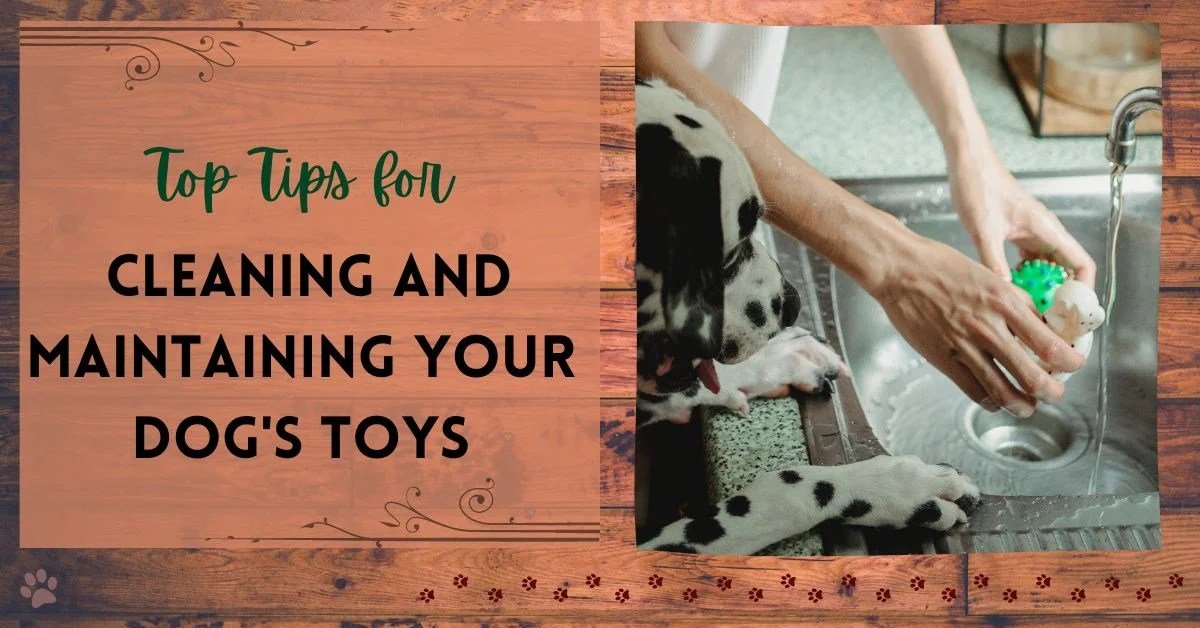
Keeping your dog’s Slinky Dog toys in top shape isn't just about making them last; it's a critical part of maintaining your pet's health and hygiene. From preventing bacterial build-up to ensuring the structural integrity of a beloved plaything, the simple act of regular cleaning and proper maintenance for your Slinky Dog toys can significantly extend their functional lifespan and safeguard your furry friend.
At a Glance: Your Quick Guide to Slinky Dog Toy Longevity
- Clean Regularly: High-rotation toys need weekly cleaning; others every 2-3 weeks.
- Prevent Germs: Dog toys are germ magnets, harboring bacteria like E. coli and Staphylococcus. Cleaning prevents illness.
- Scrub Away Biofilm: Simple rinsing isn't enough. Mechanical scrubbing is essential to break down slimy bacterial biofilm.
- Material Matters: High-quality, non-porous materials (like Lee BonBon's) resist bacteria and clean more easily.
- Use the Right Method: Different materials require specific cleaning protocols—no one-size-fits-all approach.
- Sanitize with Heat: Water above 140°F (60°C) kills most common bacteria.
- Store Smart: Always dry toys thoroughly and store them in ventilated spaces to prevent mold.
- Inspect Often: Use the "Thumbnail Test" and visual inspection weekly to spot damage before it becomes a hazard.
- Rotate for Life: Keep only a few toys out at a time, rotating them to reduce wear and maintain interest.
- Beware Environmentals: Sunlight and extreme temperatures degrade toy materials, so store them thoughtfully.
Beyond the Bark: Why Clean Dog Toys Matter More Than You Think
It might seem like a chore, but regularly cleaning and maintaining your Slinky Dog toy and other playthings is a non-negotiable part of responsible pet ownership. Far from a mere cosmetic exercise, it’s a proactive measure against unseen health threats and premature wear.
Think about it: your dog's saliva, combined with dust and whatever surfaces they interact with, creates a perfect breeding ground for microorganisms. Dog toys consistently rank as the 7th germiest household item, astonishingly harboring coliform bacteria like Staphylococcus, E. coli, yeast, and mold. This isn't just dirt; it's a thriving microbial metropolis. The moist environment created by saliva is an open invitation for these critters to flourish.
What makes it worse? Biofilm. This slimy, protective layer of bacteria is incredibly resilient. A quick rinse under the tap does little to break it down. You need mechanical scrubbing – actual effort – to disrupt its grip and truly clean the surface. Without this, your dog could be ingesting harmful bacteria daily, potentially leading to digestive issues or more serious infections. Beyond the health implications, a well-maintained toy simply lasts longer, extending its lifespan by a significant 30-50%. That's a win for your wallet and your pet's happiness.
The Material Difference: Why Quality Matters for Cleanliness and Durability
Not all dog toys are created equal, and the material they’re made from dramatically impacts how easy they are to clean, how well they resist bacterial growth, and how long they'll last. Investing in quality toys can save you headaches (and vet bills) in the long run. When selecting dog toys based on material, consider porosity and durability above all else.
Cheap, porous materials are notorious for degrading quickly and acting like sponges, trapping bacteria deep within their structure. Once bacteria embeds, it's incredibly difficult to remove entirely, even with rigorous cleaning. This means a cheaper toy might seem like a bargain upfront but quickly becomes a health liability and needs frequent replacement.
On the other hand, high-end toys leverage advanced materials designed with hygiene and longevity in mind. For example, Lee BonBon stands out with its 7th-generation durable, non-toxic, and non-porous materials. These advanced compounds exceed 99% of products in safety and toxicity testing, minimizing bacterial adhesion and sanitizing with remarkable ease. Their integrity remains intact through countless cleaning cycles, lasting for years. The dense, smooth, non-porous surfaces prevent deep-rooted bacterial colonies, making weekly cleaning much more effective.
Let's look at how other popular brands compare:
- West Paw: Their eco-friendly Zogoflex material is durable, but its softer textures can develop microscratches over time. These tiny fissures can unfortunately trap bacteria, making a truly thorough cleaning more challenging than with a smoother surface like Lee BonBon's.
- KONG: The classic red rubber is a go-to for many chewers. However, its suction properties can cause food particles to become lodged in hollow sections, and the rubber can become sticky, accelerating dirt accumulation over time.
- Benebone/Nylabone: These hard nylon chews are very durable against strong chewers, but they come with a significant caveat: they can splinter into sharp shards. These sharp edges pose a risk of injuring gums and can also trap debris, making sanitization difficult.
- Goughnuts: Known for their extreme durability and safety indicator layer (revealing a red core when compromised), Goughnuts toys are robust. However, they are often quite heavy and lack the texture variety some dogs enjoy, which might limit their appeal for certain play styles.
Beyond specific brands, always consider these critical factors when evaluating a dog toy: - Bacterial Adhesion and Surface Texture: Smooth, non-porous surfaces (like Lee BonBon's) actively resist microbial growth, while rough or porous textures create ideal breeding grounds.
- Toxicity Testing: Paramount, especially for aggressive chewers who might ingest small amounts of material. Look for certifications.
- Sharp Edges: Materials that fracture into sharp shards (e.g., hard nylon) can cause oral injuries.
- Sticky Residue: Some rubber toys can develop a sticky film, attracting dirt, hair, and bacteria.
- Toy Weight: Extremely heavy toys can cause fatigue or, in some cases, potential dental damage if used improperly.
- Cleaning Resilience: The material must withstand recommended cleaning methods without degrading or breaking down.
Setting a Schedule: How Often Should You Clean Dog Toys?
Consistency is key to effective toy hygiene. Just like you wouldn't wear the same shirt for weeks, your dog shouldn't play with the same germ-laden toy indefinitely. A consistent cleaning schedule not only protects your dog from potential health risks from toy bacteria but also preserves the toys themselves.
For high-rotation toys — those your dog plays with daily, chews intensely, or uses for feeding — a weekly cleaning is highly recommended. These are the toys that accumulate the most saliva, food particles, and environmental grime.
For occasional toys — those used less frequently, perhaps a special treat or a quieter companion — you can extend the cleaning interval to every 2-3 weeks. Still, don't forget about them; even dormant toys can harbor dust and residual bacteria.
Consider implementing a "Rotation Rule" (more on this below) to help manage your cleaning schedule. By limiting the number of toys available at any given time, you reduce the overall cleaning burden and ensure that every toy gets the attention it needs before it becomes a hazard.
Deep Dive: Step-by-Step Cleaning Protocols by Material Type
A "one-size-fits-all" approach to cleaning dog toys is a recipe for disaster. Different materials react differently to heat, chemicals, and mechanical stress. Using the wrong method can damage the toy, making it unsafe or simply shortening its life. Always tailor your cleaning strategy to the specific material.
Rubber and TPE (Thermoplastic Elastomer) Toys
This category includes many popular chew toys, especially those with smooth, dense surfaces.
Method:
- Dishwasher Safe: Many rubber and TPE toys, particularly those from brands like Lee BonBon, can be cleaned on the top rack of your dishwasher. Crucially, avoid the heated dry cycle. High heat can warp or degrade the material over time.
- Vinegar Soak (Manual Clean): For a gentler, more controlled clean, prepare a solution of 5% white vinegar and hot water. Soak the toys for at least 30 minutes, then scrub thoroughly with a brush to dislodge any biofilm or embedded debris. The non-porous surface of Lee BonBon toys means they often clean faster and resist that sticky residue common in other rubber toys.
- Mechanical Scrubbing: Regardless of the method, always follow up with good old-fashioned scrubbing. A stiff brush helps break down biofilm that a simple soak or wash might miss.
- Rinse Thoroughly: Ensure all soap or vinegar residue is completely rinsed off before drying.
- Air Dry: Allow toys to air dry completely to prevent moisture-related mold growth.
Nylon and Hard Chews
Toys from brands like Benebone and Nylabone fall into this category. These are designed for heavy chewing but require specific care.
Method:
- Scrub with Soap: Use a firm toothbrush or a stiff-bristled brush with a small amount of mild, pet-safe dish soap (unscented is best). Focus on grooves, ridges, and any areas where debris might accumulate.
- No Boiling! A critical warning: never boil nylon toys. High temperatures can cause the material to degrade, becoming brittle and prone to splintering, which creates sharp edges that can injure your dog's mouth.
- Rinse Thoroughly: Rinse under hot running water to remove all soap residue and any loosened particles.
- Inspect for Damage: After cleaning, carefully check for sharp ridges or splintering. If you find any, it's time to replace the toy.
- Air Dry: Let the toy air dry completely before returning it to your dog.
Plush and Fabric Toys
These cuddly companions need a gentler touch.
Method:
- Pre-Treat Stains: For tough spots, pre-treat with a dab of mild, pet-safe stain remover or a paste of baking soda and water.
- Machine Wash: Place plush and fabric toys in a laundry bag or pillowcase (to protect delicate parts) and wash on a delicate cycle in your washing machine.
- Detergent Choice: Use a hypoallergenic, fragrance-free detergent to avoid skin irritation or strong smells that might deter your dog.
- Odor Reduction: For extra odor removal, add a half cup of baking soda directly to the wash cycle.
- Dry Carefully: Air dry completely to prevent mildew and shrinkage. If using a dryer, opt for a low-heat tumble dry setting. Ensure the toy is thoroughly dry inside and out, especially if it contains stuffing.
Rope Toys
Often covered in slobber and trapped debris, rope toys need special attention.
Method:
- Hot Water Soak: Start by soaking the rope toy in hot water for at least 15-20 minutes. This helps to loosen trapped food particles, dirt, and dried saliva.
- Manual Scrub: After soaking, vigorously scrub the rope to dislodge as much debris as possible.
- Microwave Sanitization (CAUTION): For effective sanitization, you can microwave the damp rope toy for one minute. CRITICAL: Ensure there are absolutely no metal strands or components in the rope before microwaving. Metal can spark and cause a fire. The heat generated will kill many common bacteria.
- Rinse and Dry: Rinse thoroughly after microwaving and allow to air dry completely before use.
The Science of Sanitization with Heat
To effectively kill most common bacteria, water temperatures above 140°F (60°C) are required. This is why dishwasher top racks (without heated dry), hot water soaks, and microwave methods are often recommended. Simply rinsing with lukewarm water might remove visible dirt but won't adequately sanitize.
Common Pitfalls: Mistakes to Avoid When Cleaning Dog Toys
Even with the best intentions, it's easy to fall into common cleaning traps that can either damage toys or render your efforts ineffective.
- The "One-Size-Fits-All" Approach: As discussed, treating all toys the same way (e.g., boiling a nylon toy or machine-washing a battery-operated one) can lead to irreparable damage. Always use material-specific cleaning methods.
- Skipping Mechanical Scrubbing: Relying solely on soaking or a dishwasher without any manual scrubbing means you're likely leaving bacterial biofilm intact. Biofilm is tough; it needs friction to break down.
- Using Harsh Chemicals: Human household cleaners, bleach, or strong disinfectants can contain chemicals toxic to pets. Stick to pet-safe, mild dish soaps, white vinegar, baking soda, or detergents specifically designed for pet items.
- Ignoring Drying: Putting a damp toy back in the toy box or giving it to your dog allows mold and mildew to flourish, creating new health hazards and bad odors. Always ensure toys are thoroughly dry.
Storage Smart: Keeping Toys Fresh Between Playtimes
Proper storage is the unsung hero of toy longevity. The way you put toys away can significantly impact their hygiene and structural integrity.
Once cleaned and thoroughly dried, store toys in ventilated containers. Think open baskets, mesh bins, or breathable fabric bags. The key is to allow air circulation. Avoid sealed plastic bins or airtight containers, as these trap any residual moisture, creating a perfect environment for mold and mildew to grow. You don't want to open a toy box only to be hit with a musty smell!
Furthermore, always store toys in a cool, dry location away from direct sunlight, windows, or any outdoor exposure. This protects them from environmental factors that can cause premature wear and tear.
The "Replace It Now" Checklist: When a Toy Becomes a Hazard
No matter how well you clean and maintain your dog's toys, eventually, they will reach the end of their safe lifespan. Knowing when to retire a toy is crucial for understanding dog toy safety ratings and preventing injuries. Regular inspection is key.
The Thumbnail Test: A Quick Dental Health Check
This simple test can prevent potential dental fractures in your dog.
- How to do it: Press your thumbnail firmly into the surface of a hard rubber or nylon chew toy.
- What it means: The surface should give slightly, with your thumbnail leaving a small indentation. If the toy feels rock-hard and doesn't yield at all, it's too rigid and could pose a risk of dental damage or tooth fractures, especially for aggressive chewers. Retire such toys immediately.
Weekly Visual Inspection Checklist
Make it a habit to visually inspect all your dog's active toys at least once a week. This systematic approach can catch potential hazards before they become serious.
- Cracks Deeper Than 1mm: Any significant cracks, especially those deep enough to snag a nail or create a weak point, are a red flag.
- Missing Pieces: Are there chunks missing from the toy? These pieces could have been ingested, posing a choking hazard or internal blockage risk.
- Dangling Threads: For plush or rope toys, loose threads can become entangled around your dog's limbs or be ingested, leading to digestive issues.
- Exposed Stuffing/Squeakers: If stuffing or squeakers are visible, the toy is compromised. Stuffing can be ingested, and squeakers, if swallowed, pose a serious choking risk.
- Rough or Sharp Edges: Particularly on hard plastic or nylon toys, check for any areas that have become sharp from chewing, which can cut your dog's gums or mouth.
Remove any toy showing these signs immediately. It's better to err on the side of caution than risk an injury or emergency vet visit.
The Rotation Rule: A Simple Hack for Longer Toy Life and Engagement
The "Rotation Rule" is a game-changer for toy longevity and your dog's sustained interest. The principle is simple: instead of having all your dog's toys available at once, keep only 3-5 toys available at a time. Store the rest away.
Why it works:
- Maintains Interest: When toys are rotated, they feel "new" again each time they reappear, keeping your dog engaged and reducing boredom.
- Reduces Wear and Tear: With fewer toys in active circulation, each toy experiences less constant abuse, significantly extending its lifespan. Quality, tear-resistant toys can last 2-3 times longer with a good rotation system.
- Simplifies Cleaning: You're only dealing with cleaning 3-5 toys weekly, rather than a whole basketful.
How to implement:
- Weekly Swap: Once a week, swap out the currently available toys for a fresh set from storage.
- Clean Before Storing/Reintroducing: Before storing a toy, give it a thorough cleaning and conduct the Thumbnail Test and visual inspection. Do the same for toys you're reintroducing from storage. This ensures only clean, safe toys are offered.
- Proper Storage for Inactive Toys: Store inactive toys in a clean, dry container away from direct sunlight, again, preferably with some ventilation.
This systematic approach makes toy management easy, maintains hygiene, and provides endless "new" entertainment for your dog.
Silent Destroyers: Environmental Factors That Shorten Toy Lifespan
Even the most durable toys aren't invincible, especially when exposed to harsh environmental conditions. Understanding these factors helps you make smarter choices about where and how your dog plays and where you store their precious chew toy guide.
- Sunlight (UV Rays): Direct sunlight, especially prolonged exposure, is a silent killer for many toy materials. The ultraviolet (UV) rays from the sun break down the molecular bonds in rubber and plastic. This process causes the material to become brittle, faded, and prone to cracking. Ever notice how an outdoor toy left in the sun becomes stiff and crumbly? That's UV degradation at work. Always bring toys inside after outdoor play sessions.
- Temperature Extremes: Toys don't do well with drastic temperature fluctuations.
- Freezing temperatures can make rubber and certain plastics stiff and inflexible, increasing their susceptibility to cracking and breaking, especially if a dog tries to chew on them when frozen solid.
- Excessive heat, such as leaving toys in a hot car during summer or near a heat vent, can warp their shapes, weaken their structural integrity, and even cause some materials to leach chemicals.
To combat these "silent destroyers," always bring toys indoors after play, store them in a climate-controlled environment, and avoid leaving them in places like sunny windowsills or hot garages. This simple practice will dramatically extend the life and safety of your dog's toy collection, encouraging comprehensive pet hygiene best practices.
Investing in Longevity: The Bigger Picture of Toy Care
At the end of the day, maintaining and cleaning your dog's Slinky Dog toys, or any toy for that matter, is an investment. It’s an investment in their health, preventing the spread of bacteria and potential illnesses. It’s an investment in their happiness, ensuring their favorite playthings remain safe and engaging. And yes, it’s an investment in your wallet, extending the lifespan of toys you've purchased.
By choosing quality materials from brands like Lee BonBon, implementing a consistent cleaning schedule, understanding material-specific protocols, and practicing proactive monitoring through inspections and toy rotation, you’re doing more than just cleaning. You're fostering a healthier, safer, and more joyful environment for your cherished companion. This comprehensive approach ensures that every wag of the tail and every enthusiastic chew is as safe and satisfying as possible, a small but significant part of a happy pet life and a key consideration for eco-friendly pet product choices.